


Thyroid Disorders in Fort Collins: A Root-Cause Guide to Understanding Your Thyroid


Few glands punch above their weight quite like the thyroid. This small, butterfly-shaped gland at the front of your neck helps set the pace for nearly every system in your body, which is why thyroid disorders can show up as symptoms that seem to have nothing to do with the neck at all: stubborn fatigue, weight changes, mood shifts, hair thinning, feeling cold when everyone else is comfortable, or a heart that races for no clear reason.
Thyroid conditions are common, and they are especially worth understanding well because they are so frequently reduced to a single lab value and a single prescription. For some people, that approach works. For many others, symptoms linger, questions go unanswered, and the deeper factors influencing thyroid function are never explored.
This guide is the center of our thyroid series here at Nomadic Naturopathic in Fort Collins, Colorado. It walks through what the thyroid does, the major categories of thyroid disorders, the symptoms and contributing factors worth knowing, and how a functional and naturopathic approach may help. Three companion articles go deeper on individual questions: what Hashimoto's thyroiditis actually is, what a full thyroid panel includes and why it matters, and how hypothyroidism and hyperthyroidism differ.
What Your Thyroid Actually Does
The thyroid produces hormones, primarily thyroxine (T4) and triiodothyronine (T3), that act like a metabolic thermostat for the body. Nearly every cell has receptors for thyroid hormone, which influences how quickly you burn energy, how warm you feel, how fast your heart beats, how readily your digestion moves, how your brain processes information, and how your hair, skin, and nails renew themselves.
The system is run by a feedback loop. The pituitary gland in the brain releases thyroid-stimulating hormone (TSH), which tells the thyroid how much hormone to make. When thyroid hormone levels drop, TSH rises to ask for more; when levels are high, TSH falls. Most of what the thyroid releases is T4, a relatively inactive storage form that the body converts into active T3 in the liver, gut, and other tissues.
That conversion step matters. Factors such as chronic stress, inflammation, nutrient status, and significant calorie restriction may influence how efficiently T4 becomes active T3. This is one reason two people with identical TSH values can feel completely different, and it is part of why a thorough evaluation looks beyond a single number.
It is also worth knowing that thyroid needs shift across a lifetime. Adolescence, pregnancy, postpartum recovery, perimenopause, significant weight change, and periods of major stress or illness all place different demands on this system. A thyroid that kept up easily in one season of life may struggle in another, which is why symptoms sometimes emerge after a clear turning point such as having a baby, a difficult year, or a major infection.
Common Types of Thyroid Disorders
Hypothyroidism
Hypothyroidism describes an underactive thyroid: the gland is not producing enough hormone to meet the body's needs. Everything tends to slow down, which may show up as fatigue, cold intolerance, constipation, dry skin, weight gain, brain fog, and low mood. In iodine-sufficient regions like the United States, the most common cause is autoimmune.
Hashimoto's thyroiditis
Hashimoto's thyroiditis is that autoimmune cause: the immune system produces antibodies against thyroid tissue, gradually reducing the gland's capacity over time. Because it develops slowly and can fluctuate, it is often present for years before diagnosis. We cover it in depth in our companion article, What Is Hashimoto's Thyroiditis?.
Hyperthyroidism
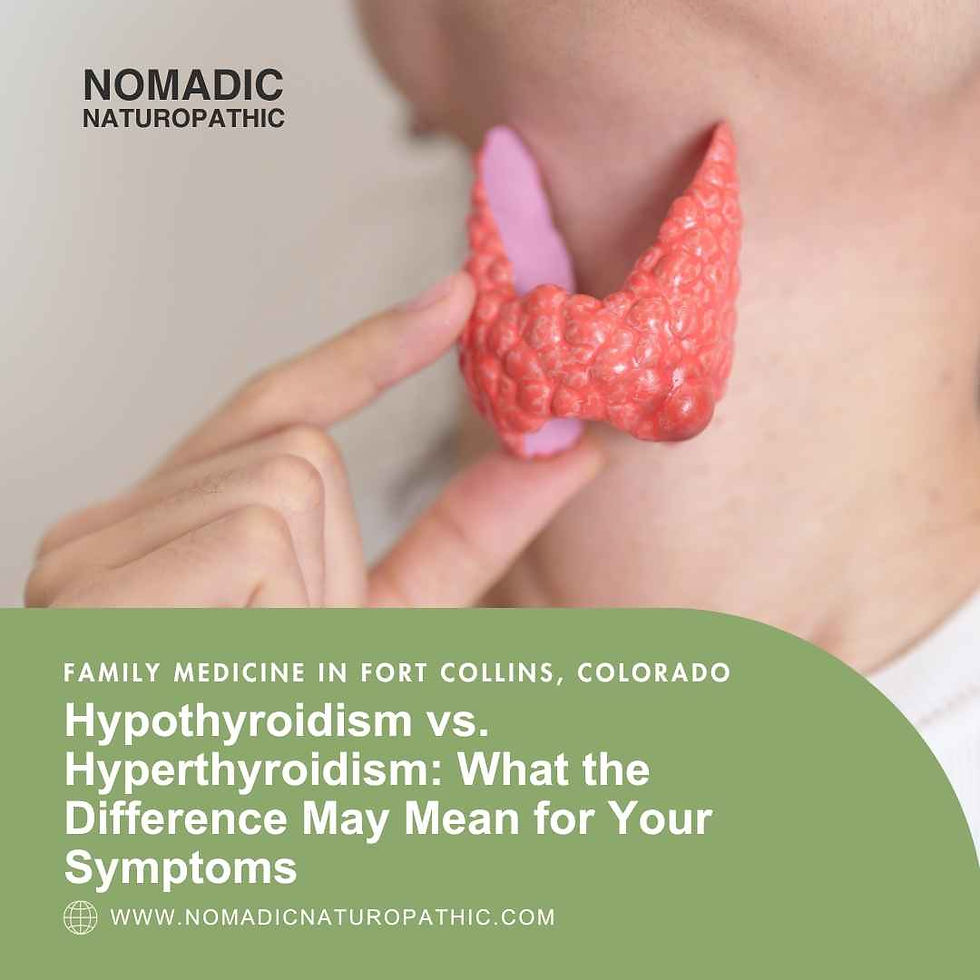
Hyperthyroidism is the opposite pattern: too much thyroid hormone, with the body running uncomfortably fast. Symptoms may include anxiety, a racing or irregular heartbeat, heat intolerance, tremor, unintended weight loss, and disrupted sleep. Graves' disease, another autoimmune condition, is the most common cause. Our article on hypothyroidism versus hyperthyroidism walks through how the two directions compare.
Thyroid nodules and subclinical patterns
Thyroid nodules and subclinical patterns round out the picture. Nodules are growths within the gland; most are benign, but any new neck lump deserves professional evaluation. Subclinical hypothyroidism, where TSH is mildly elevated while T4 remains normal, sits in a gray zone that may warrant monitoring, a deeper look at antibodies, or simply watchful waiting depending on your symptoms and history.
Symptoms That May Be Associated With Thyroid Dysfunction
Because thyroid hormone touches nearly every tissue, symptom lists are long and nonspecific. On the slow, underactive side: persistent fatigue that sleep does not fix, feeling cold in rooms others find comfortable, constipation, dry skin, coarse or thinning hair, loss of the outer third of the eyebrows, puffiness around the face, weight gain that resists lifestyle changes, heavy or irregular menstrual cycles, low mood, and slowed thinking.
On the fast, overactive side: unexplained weight loss, heart palpitations, heat intolerance and sweating, tremor, anxiety or irritability, more frequent bowel movements, lighter menstrual cycles, and difficulty sleeping despite exhaustion.
None of these symptoms proves a thyroid problem on its own; each has other possible explanations. But when several cluster together and persist, they may warrant a proper evaluation rather than another season of pushing through. Many of the subtler presentations are easy to miss, which is why we wrote about commonly overlooked signs of thyroid dysfunction separately.
Two practical notes about symptoms. First, they rarely arrive all at once; most people notice one or two changes that gradually accumulate companions over months or years. Second, symptom overlap is real: low iron, poor sleep, depression, perimenopause, and blood sugar swings can each produce a very similar picture. That overlap is not a reason to dismiss your experience; it is a reason to test carefully rather than guess.
Possible Contributing Factors
Autoimmunity is the largest contributor in this part of the world. Most hypothyroidism and much hyperthyroidism in the United States are autoimmune in origin, which reframes the question: rather than only asking how to replace hormone, it may also be worth asking what is driving the immune system's behavior. Genetics, prior infections, gut health, and chronic stress all appear to play roles in immune regulation.
Nutrient status matters because thyroid hormone production and conversion depend on specific raw materials. Iodine is the central building block, and both too little and too much may be problematic. Selenium participates in converting T4 to active T3 and in protecting the gland from oxidative stress. Iron, zinc, and vitamin D status may also be associated with thyroid function. This is an area where testing beats guessing; supplementing blindly, especially with iodine, is not advisable.
Stress physiology deserves honest attention. Cortisol, the body's primary stress hormone, may influence both TSH signaling and the conversion of T4 to T3. Long stretches of unrelenting stress, and the sleep disruption that comes with them, can layer on top of a thyroid condition or mimic one. We explore this system in our article on how stress affects your hormones.
Life stages and environment round out the list. Pregnancy and the postpartum window are common times for thyroid shifts. Certain medications, prior radiation to the neck, and smoking are recognized influences, and research continues into environmental exposures. A careful history often surfaces which of these threads deserve attention in your particular case.
The gut deserves its own mention. A meaningful portion of thyroid hormone conversion appears to take place with help from the intestinal environment, and the gut is also home to much of the immune system, which matters when the underlying condition is autoimmune. Digestive symptoms, a history of frequent antibiotics, or known gut conditions may all be relevant threads in a thyroid story, and untangling them is often part of a complete evaluation.
Why Thyroid Testing Can Be Confusing
Most routine screening checks TSH alone, sometimes with T4. That approach catches many cases, but it can also leave real questions unanswered. TSH reflects the pituitary's opinion of thyroid status, not necessarily how much active hormone is reaching your tissues, and it says nothing about whether an autoimmune process is quietly underway.
A more complete picture typically includes TSH, free T4, free T3, and thyroid antibodies, interpreted alongside your symptoms and history. We break down each marker, and when the fuller panel may be worth pursuing, in What Does a Full Thyroid Panel Include? And if you have been told your labs are normal while you still feel unwell, our article on normal thyroid labs and persistent exhaustion speaks directly to that frustrating middle ground.
Practical testing details can also muddy the water. Thyroid values fluctuate with time of day, acute illness, and certain supplements; high-dose biotin, common in hair and nail formulas, is a well-known cause of misleading thyroid results and is generally worth pausing before testing, with your provider's guidance. A single borderline result is a data point, not a verdict, and trends over time are usually more informative than any one lab draw.
When to Seek an Evaluation
Consider a thorough thyroid evaluation if you have several persistent symptoms from the lists above, especially if they have lasted more than a few weeks and do not track with an obvious cause; if thyroid disease runs in your family; if you are in the postpartum year and feeling unlike yourself; if your cycles, weight, or mood have shifted without explanation; or if previous labs were "borderline" and never rechecked.
An evaluation is not a commitment to a diagnosis or a medication. It is information. The earlier a genuine thyroid condition is identified, the more options you generally have, and the less time you spend wondering whether what you are feeling is real. It is.
Before your visit, it can help to jot down a simple timeline: when each symptom started, what else was happening in your life, any family history you know of, and a list of medications and supplements you take. Ten minutes of notes often does more to sharpen an evaluation than any single lab test, because thyroid assessment leans heavily on the story surrounding the numbers.
How Functional and Naturopathic Medicine May Help
A functional and naturopathic approach to thyroid health starts with time and thoroughness. That means a detailed history covering your symptoms, life stages, stressors, sleep, diet, digestion, and family patterns, followed by comprehensive testing rather than a single screening value. The goal is to understand not just whether your thyroid is off, but why it might be.
From there, care is individualized. Depending on what evaluation reveals, that may include addressing nutrient insufficiencies identified on labs, supporting gut health given its relationship to immune regulation, working on stress physiology and sleep in practical ways, and coordinating around medication when it is appropriate. Naturopathic doctors in Colorado work alongside conventional providers, and thyroid medication, when needed, remains an important tool rather than an admission of failure.
For people in Fort Collins and across Northern Colorado, this kind of care is meant to complement, not replace, your existing medical relationships. If you are curious what working this way actually looks like, from the first conversation through testing and follow-up, our What to Expect page walks through the process step by step.
Follow-up matters as much as the first appointment. Thyroid physiology changes slowly, so a reasonable plan includes rechecking labs at sensible intervals, adjusting one variable at a time, and tracking how you actually feel alongside how the numbers move. The aim is steady, understandable progress rather than a dramatic overnight overhaul, and a plan you can realistically sustain through a busy Northern Colorado life.
When to Seek Prompt Medical Care
Most thyroid concerns are appropriate for scheduled, unhurried evaluation, but some situations should not wait. Seek urgent or emergency care for a very rapid or irregular heartbeat, chest pain, fainting, high fever with agitation or confusion (features that can accompany thyroid storm, a rare hyperthyroid emergency), or severe drowsiness, confusion, and low body temperature in someone with known hypothyroidism, particularly during illness or extreme cold.
A rapidly enlarging neck mass, new difficulty swallowing or breathing, or voice changes alongside a neck lump also deserve prompt medical attention. And if you are pregnant with a known or suspected thyroid condition, loop in your obstetric provider early; thyroid status matters for both parent and baby.
Thyroid Health in Northern Colorado: The Long View
Living well with a thyroid condition is entirely achievable, and most people who get clear answers and a coherent plan feel meaningfully better over time. Colorado's active outdoor culture is actually an ally here: regular movement, sunlight, and time outside support the sleep and stress rhythms that thyroid health leans on. The work is in getting the evaluation right at the start and building a plan that fits your actual life.
Whether you are just starting to wonder about your thyroid or you have carried a diagnosis for years and still have questions, a deeper look may be worthwhile. Understanding your own physiology is one of the most durable investments you can make in how you feel day to day.
If there is one message to take from this guide, it is that thyroid symptoms deserve curiosity rather than resignation. The gland itself is small, but the system around it- immune, digestive, hormonal, and neurological- is rich with places to look and levers to pull. Clear testing, an honest history, and a thoughtful plan can turn a vague, discouraging set of symptoms into something you understand and can act on.
Frequently Asked Questions
Do thyroid disorders run in families?
Family history does appear to matter, particularly for autoimmune thyroid conditions like Hashimoto's thyroiditis and Graves' disease. Having a parent or sibling with a thyroid condition may be associated with a higher likelihood of developing one yourself, though it is far from a guarantee. If thyroid disease runs in your family and you are noticing symptoms such as fatigue, temperature sensitivity, or unexplained weight changes, that combination may warrant a conversation about testing.
Can a thyroid disorder develop slowly over years?
Yes, and this is one of the reasons thyroid conditions are so often missed. Autoimmune thyroid disease in particular can progress gradually, with antibodies appearing years before hormone levels drift out of range. Symptoms often creep in so slowly that people attribute them to aging, stress, or a busy season of life. A gradual onset is one reason periodic evaluation may be worthwhile when symptoms persist, even if earlier labs looked fine.
Will I need thyroid medication for the rest of my life?
That depends on the condition, its cause, and how it evolves, and it is a decision to make with your prescribing provider. Some situations, such as hypothyroidism after surgical removal of the thyroid, generally do require ongoing hormone replacement. Others are more nuanced. Whatever the situation, medication decisions should never be made alone; changing or stopping thyroid medication without supervision can be harmful.
Where can I get my thyroid evaluated in Fort Collins?
Nomadic Naturopathic offers root-cause evaluations for thyroid concerns in Fort Collins, Colorado, including comprehensive thyroid lab panels and a whole-person review of the factors that may be influencing your thyroid function. The easiest first step is a free 15-minute consultation to see whether the approach fits your situation.
Medical Disclaimer
The information provided in this article is for educational purposes only and is not intended as medical advice, diagnosis, or treatment. Always consult a qualified healthcare professional before making changes to your healthcare routine or beginning any new treatment.


Comments