


Does Stress Affect Your Hormones? Cortisol, Sleep, and Energy Explained

Updated: Aug 4

Most people know stress affects how they feel. Fewer realize how directly stress physiology is woven into the hormone systems that govern energy, sleep, cycles, and metabolism. When someone in Fort Collins or Northern Colorado describes feeling wired at night, exhausted in the morning, and dependent on caffeine to function, the stress response system is often part of the story.
This article explains how the stress response works, how it may influence other hormones, which patterns suggest it deserves attention, and what a thoughtful evaluation looks like. It is part of a larger resource on hormone health.
How the Stress Response Is Supposed to Work
The stress response is coordinated by a communication loop between the brain and the adrenal glands. When the brain perceives a demand, the adrenals release cortisol and adrenaline, which raise blood sugar, sharpen attention, and prepare the body for action. When the demand passes, the system is designed to return to baseline.
Cortisol also follows a daily rhythm independent of acute stress. It is normally highest shortly after waking, providing morning energy, and lowest in the late evening, allowing the body to wind down toward sleep. Both the response to stress and the daily rhythm matter.
Importantly, the brain does not distinguish between kinds of demand as cleanly as we might like. Work deadlines, a difficult relationship, financial worry, chronic pain, under-eating, intense training without recovery, and chronic short sleep all register as load on the same system. Stress is cumulative, and it includes physical stressors that people rarely count.
What May Happen Under Prolonged Stress
The system was built for short demands with recovery in between. Long stretches of high demand and little recovery may be associated with a rhythm that flattens or shifts: sluggish mornings, an afternoon crash, a second wind late at night, and sleep that does not restore.
People may also notice sugar and salt cravings, increased belly fat, more frequent illness, reduced exercise tolerance, irritability, and a lower threshold for feeling overwhelmed. None of these changes alone is diagnostic, but the overall pattern is meaningful.
Stress and Your Other Hormones
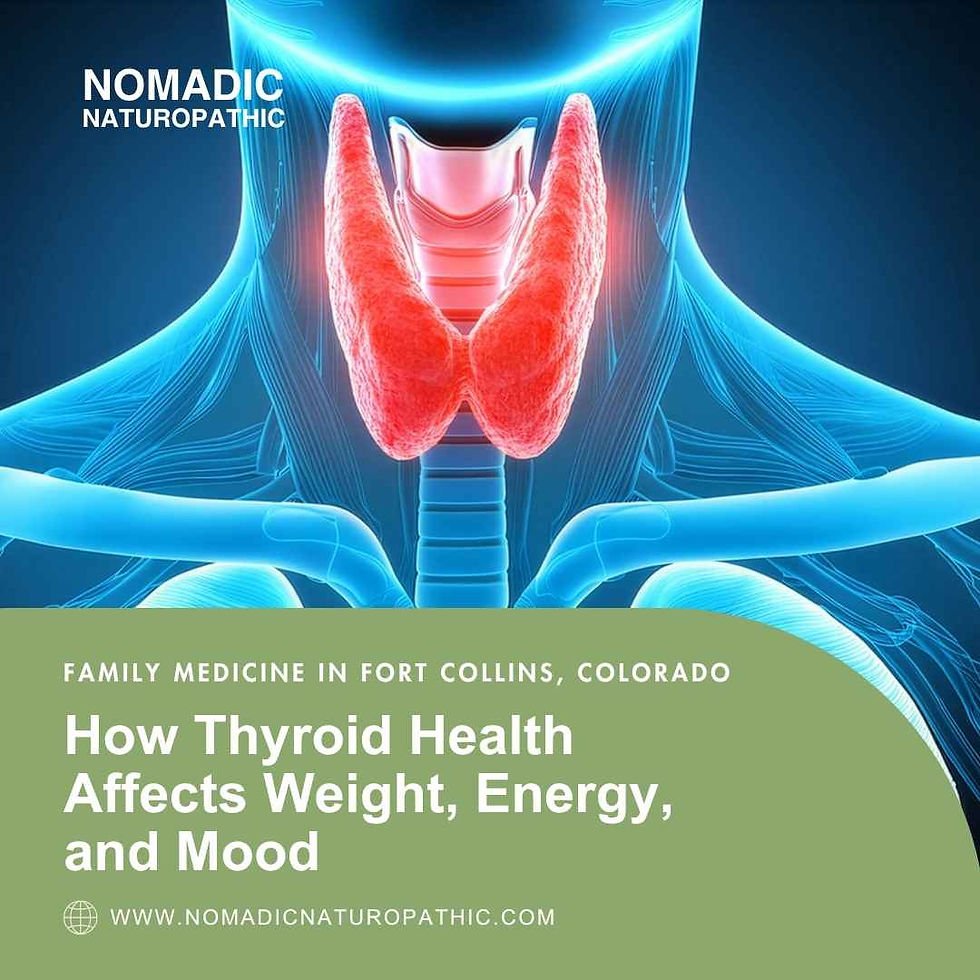
Cortisol does not operate in a silo. Prolonged stress physiology may influence how thyroid hormone is converted to its active form, which can contribute to fatigue and slowed metabolism even when standard thyroid screening looks acceptable. It interacts with reproductive hormones as well, and stressful seasons are commonly associated with cycle changes, worsened premenstrual symptoms, and reduced libido.
If cycle or mood changes are part of your picture, see the signs of hormone imbalance in women, and if fatigue and cold intolerance dominate, review which thyroid symptoms may deserve a closer look.
Blood sugar is the third major connection. Cortisol raises blood sugar as part of its job, and repeated spikes and crashes feed back into the stress response, creating a loop of cravings, energy dips, and nighttime waking that can be mistaken for a purely psychological problem.
A common example: a late-afternoon crash leads to an evening of grazing on quick carbohydrates, blood sugar swings overnight, sleep fragments at 3 a.m., and the next day starts more depleted than the last. Breaking that loop is often one of the first practical wins in care.
Stress and Digestion
The gut is highly responsive to stress physiology. Digestion slows or speeds up, and symptoms such as bloating and irregular bowel habits may flare during demanding periods. Learn why you may feel bloated after meals, even when you eat healthy.
Is This Adrenal Fatigue?
The term adrenal fatigue is popular but imprecise, and it is not a recognized medical diagnosis. In most cases of chronic stress, the adrenal glands are not failing; the regulation and rhythm of the system have shifted. The distinction matters because true adrenal insufficiency is a serious medical condition with specific testing and treatment, while stress-related dysregulation calls for a different, more foundational approach.
What Recovery Actually Means
Recovery is not the absence of work; it is the presence of specific physiological states. Sleep is the deepest form, and protecting a consistent sleep window is the single most powerful intervention available to most people. Beyond sleep, recovery includes time where the nervous system genuinely downshifts: unhurried meals, time outdoors, movement that is enjoyable rather than punishing, breath practices, and social time that is restorative rather than draining.
Scrolling on a phone, while restful in the moment, does not reliably produce that downshift. Many people discover they have very little true recovery in their week despite significant leisure time. Auditing this honestly, without judgment, is often more revealing than any lab test.
Practical First Steps You Can Start This Week
While a full evaluation looks at the whole picture, a few foundations are safe and sensible for most people to begin on their own. Anchor your wake time and get outdoor light within an hour of waking, which helps set the cortisol rhythm. Eat a breakfast with substantial protein rather than starting the day on caffeine alone. Set a caffeine cutoff in the early afternoon and notice what changes. Protect a consistent sleep window, even on weekends.
Then add small pockets of genuine recovery: a ten-minute walk without a phone, a few minutes of slow breathing between obligations, an unhurried meal. These steps will not resolve every pattern, and they are not a substitute for evaluation when symptoms persist. But they lower the load on the system while the bigger questions are being answered, and the way the body responds to them is itself useful information.
Exercise: Stressor or Support?
Movement deserves a special note because it sits on both sides of the ledger. Regular moderate exercise is one of the most reliable supports for stress physiology, blood sugar regulation, sleep, and mood. But exercise is itself a physical stressor, and hard training on top of poor sleep, under-eating, and a demanding life adds load to a system that is already carrying too much.
Signs that training may currently be a net stressor include declining performance despite consistent effort, unusual soreness, disrupted sleep after evening workouts, getting sick more often, and dreading sessions that used to feel good. The answer is rarely to stop moving. It is to match intensity to current capacity, favoring walking, strength work at manageable volumes, and easy outdoor activity during depleted seasons, and rebuilding intensity as recovery improves.
What an Evaluation May Look Like
A useful evaluation starts with the history: when symptoms began, how sleep and energy move across the day, what recovery actually looks like, and what else is happening with cycles, digestion, and mood. Depending on the situation, testing may include markers of blood sugar regulation, thyroid function, reproductive hormones, and, in some cases, cortisol rhythm testing when clinically indicated.
Testing is a tool, not the destination. The most common outcome of a stress-physiology evaluation is not a dramatic lab finding; it is a clear, prioritized picture of which inputs are driving the pattern and which changes are likely to matter most for this particular person.
How Support Is Approached
At Nomadic Naturopathic in Fort Collins, stress-related hormone concerns are approached foundationally: protecting sleep, stabilizing blood sugar, building genuine recovery into the week, supporting nervous system regulation, and using targeted nutritional or herbal support when appropriate. The aim is to restore the conditions the system needs, not to override it.
When to Seek Prompt Medical Care
Seek timely medical evaluation for chest pain, a rapid or irregular heartbeat, fainting, severe dizziness on standing, unexplained significant weight loss, new severe headaches, or thoughts of self-harm. These symptoms need direct medical attention rather than lifestyle strategies.
Frequently Asked Questions
Can stress really change my hormones?
Yes. Prolonged stress physiology may influence cortisol rhythm, thyroid hormone conversion, reproductive hormones, and blood sugar regulation, which is why stressful seasons are often associated with sleep, energy, cycle, and mood changes.
Why am I tired all day but wide awake at night?
This pattern may be associated with a shifted cortisol rhythm, blood sugar swings, late-day stimulants, evening light and screen exposure, or a combination. A structured history and, when indicated, testing can help sort out the contributors.
Is adrenal fatigue a real diagnosis?
Adrenal fatigue is not a recognized medical diagnosis. True adrenal insufficiency is rare and serious. Most stress-related symptoms reflect dysregulation of the stress response system, which is evaluated and supported differently.
Disclaimer:
The information provided in this article is for educational purposes only and is not intended as medical advice, diagnosis, or treatment. Always consult a qualified healthcare professional before making changes to your healthcare routine or beginning any new treatment.


Comments